


 +34 912 901 222
 +34 637 240 402
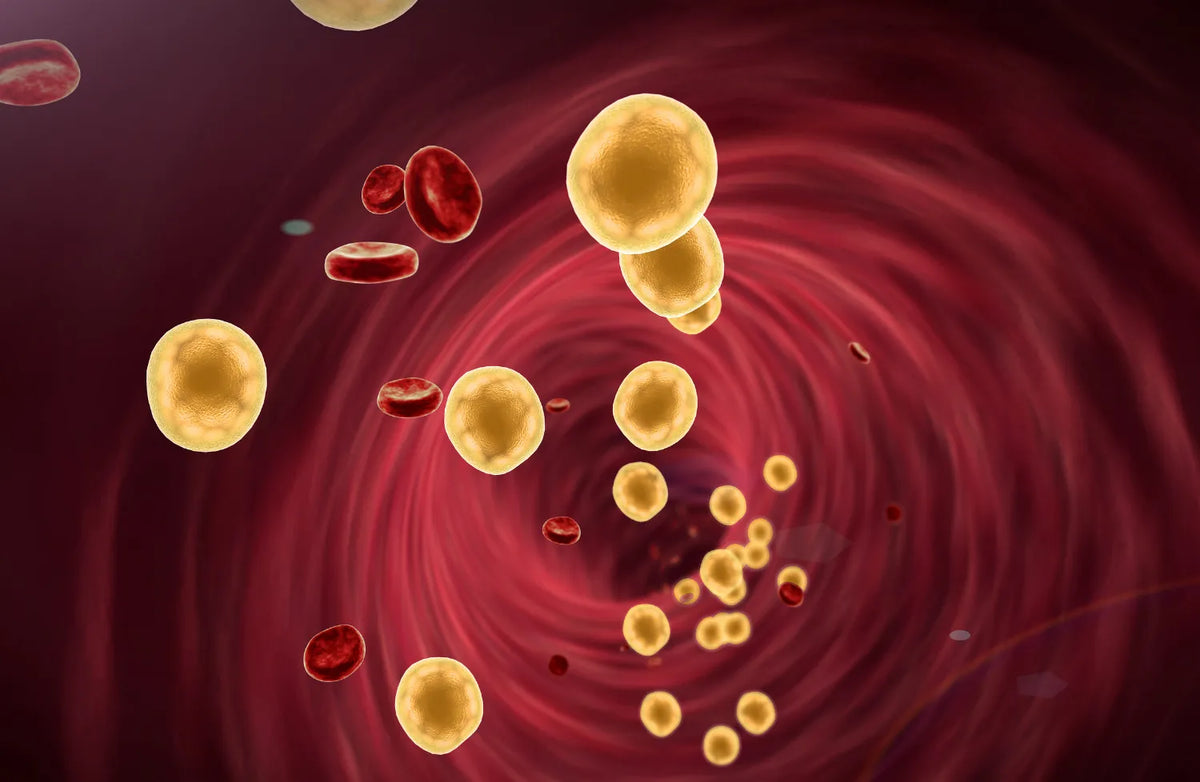
When we talk about cholesterol, we usually focus mainly on the LDL and HDL levels that appear on a blood test. However, cardiovascular health does not depend solely on these figures, but also on how our body transports, transforms, and manages cholesterol.
A new study published in Metabolism and Diseases has investigated precisely this issue, analyzing how coenzyme Q10 (CoQ10) could influence cholesterol metabolism and some processes related to cardiovascular health.
To do this, the researchers analyzed samples from 89 people with altered blood lipid levels, who participated in a 24-week clinical trial. One group of participants received 120 mg daily of coenzyme Q10, while the other received a placebo.
The interesting thing? The results not only showed changes in certain cholesterol indicators, but also provided new clues about how CoQ10 works in our body.
Beyond good and bad cholesterol
You have probably heard of HDL cholesterol, known as good cholesterol. One of its functions is to help collect excess cholesterol from tissues and transport it to the liver, where it can be processed.
But there is something important: it is not only about how much HDL cholesterol we have, but also how it works.
After 24 weeks, the researchers observed that the people who had received CoQ10 showed improvements in several indicators related to HDL cholesterol.
They also detected an improvement in the body's ability to remove cholesterol from certain cells, a process known as cholesterol efflux.
As for LDL cholesterol, the results showed a downward trend, although this was not statistically significant.
These findings suggest that CoQ10 could be related not only to cholesterol levels, but also to some of the mechanisms involved in its transport and elimination.
How does coenzyme Q10 influence cholesterol metabolism?
To better understand what was happening, the researchers used a technique called metabolomics.
Although the name may sound complicated, its function is quite simple to understand: it allows the analysis of numerous substances present in the blood to discover what changes occur in metabolism.
Thanks to this technique, the study found changes in different processes related to fats and, especially, bile acids.
And what do they have to do with cholesterol?
Bile acids are substances that our liver produces from cholesterol and that help digest fats.
Therefore, studying their changes allows us to better understand how our body transforms and uses cholesterol.
The results suggest that CoQ10 supplementation could influence some of these metabolic pathways, opening new possibilities for understanding its relationship with cardiovascular health.
A discovery that opens new avenues of research
Another interesting finding of the study is related to a substance called taurocholic acid (TCA), which is part of the bile acids.
The researchers observed that its levels changed differently between the people who received CoQ10 and those who took the placebo.
This led them to suggest that TCA could become a useful indicator for studying how the body responds to coenzyme Q10 supplementation.
For now, this is a preliminary discovery that requires further research before it can be applied in clinical practice.
However, it represents an interesting advance: it brings us closer to understanding why the same nutritional intervention can produce different changes in metabolism.
What role does ubiquinol play?
Coenzyme Q10 is found in our body mainly in two forms: ubiquinone and ubiquinol.
Ubiquinol is the reduced form of CoQ10 and is the one that predominates in the bloodstream.
One of the most striking results of the study was the increase in blood ubiquinol levels after 24 weeks of CoQ10 supplementation.
In the supplemented group, levels went from a median of 574 to 2,120 μg/L, a considerable increase compared to the placebo group.
This finding highlights the importance of ubiquinol as the circulating form of coenzyme Q10 and provides information on how the body responds to its supplementation.
Coenzyme Q10: much more than cellular energy
Until now, coenzyme Q10 has been especially known for its role in cellular energy production.
It is present in mitochondria, structures that function as small power plants in our cells and that participate in producing the energy we need every day.
In addition, CoQ10 also plays an antioxidant role.
But this new study invites us to look beyond.
Its results point to a possible relationship between coenzyme Q10 and other important processes, such as:
- The transport of cholesterol to the liver.
- The functioning of HDL cholesterol.
- The transformation of cholesterol into bile acids.
- Fat metabolism.
The researchers also suggest a possible relationship with substances linked to the activity of the gut microbiota, although this hypothesis still needs to be investigated.
Ultimately, CoQ10 could be involved in broader metabolic processes than we knew until now.
What does this study have to do with Longévitas' Ubiquinol Kaneka®?
At Longévitas, we use Kaneka Ubiquinol QH™, the reduced form of coenzyme Q10, in a daily pearl formula.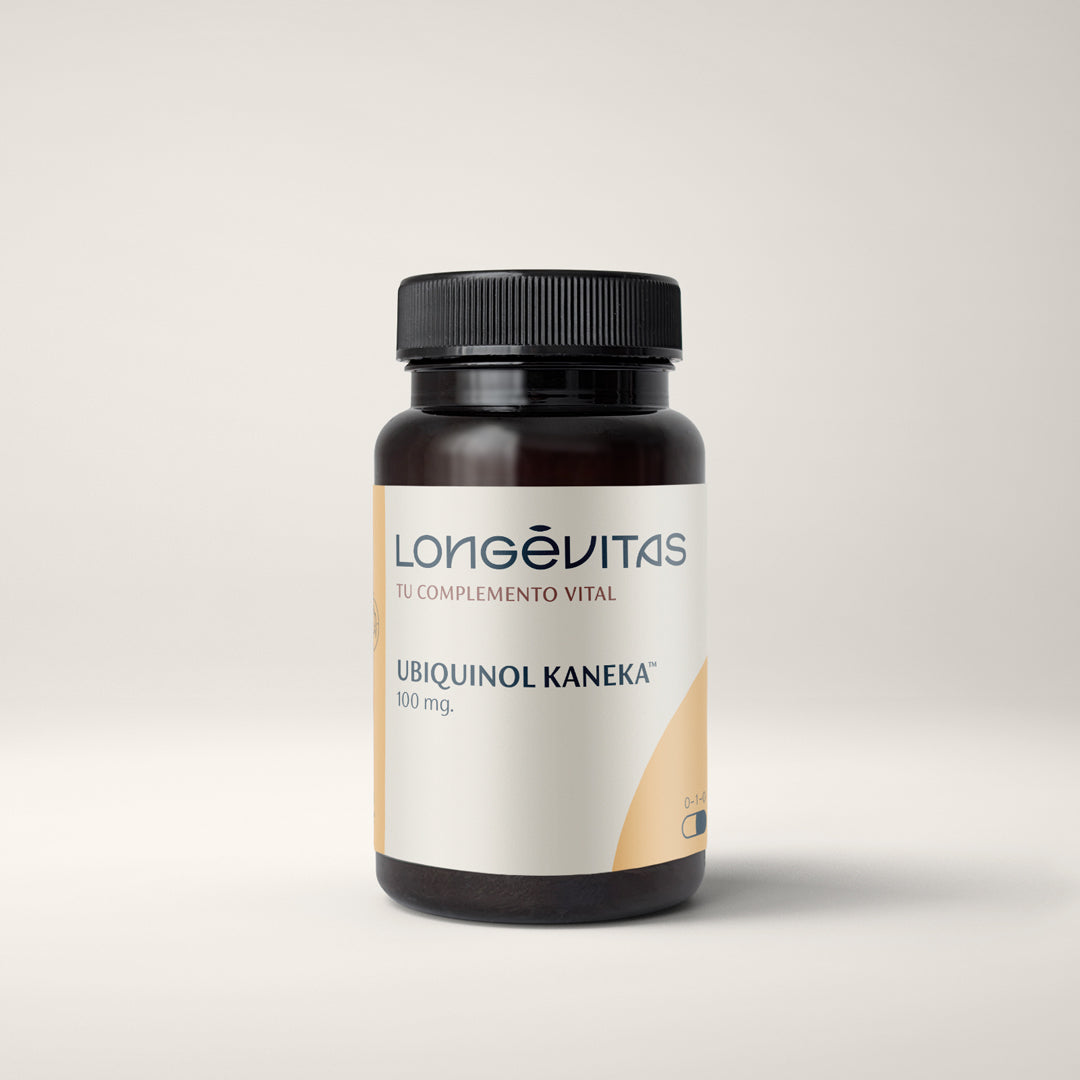
An interesting detail is that Kaneka Corporation provided the CoQ10 raw material used in the research.
According to the authors, the company did not participate in the study design, the analysis of the results, or the preparation of the scientific article.
Although the study does not demonstrate specific clinical benefits of our product, its results contribute to expanding scientific knowledge about coenzyme Q10 and its behavior in the body.
A new perspective on cardiovascular health
This study does not mean that coenzyme Q10 is a solution for cholesterol or that its supplementation alone prevents cardiovascular diseases.
Its true value lies in helping us better understand how certain nutrients can be related to the processes that regulate cholesterol metabolism.
The researchers observed improvements in some indicators of the lipid profile and in the ability to remove cholesterol from cells, as well as changes in bile acid metabolism.
However, larger, longer-term studies will be necessary to understand the true impact of these results on cardiovascular health.
Because at Longévitas we believe that longevity begins with understanding how our body works and how we can support it throughout the years.
Coenzyme Q10 has been studied for decades for its relationship with cellular energy.
Now, science is beginning to discover new connections between CoQ10, cholesterol metabolism, and cardiovascular health.
Source: He F. et al. (2026). Identification of Metabolomics Biomarkers of Coenzyme Q10 in the Improvement of Dyslipidemia. Metabolism and Diseases.
